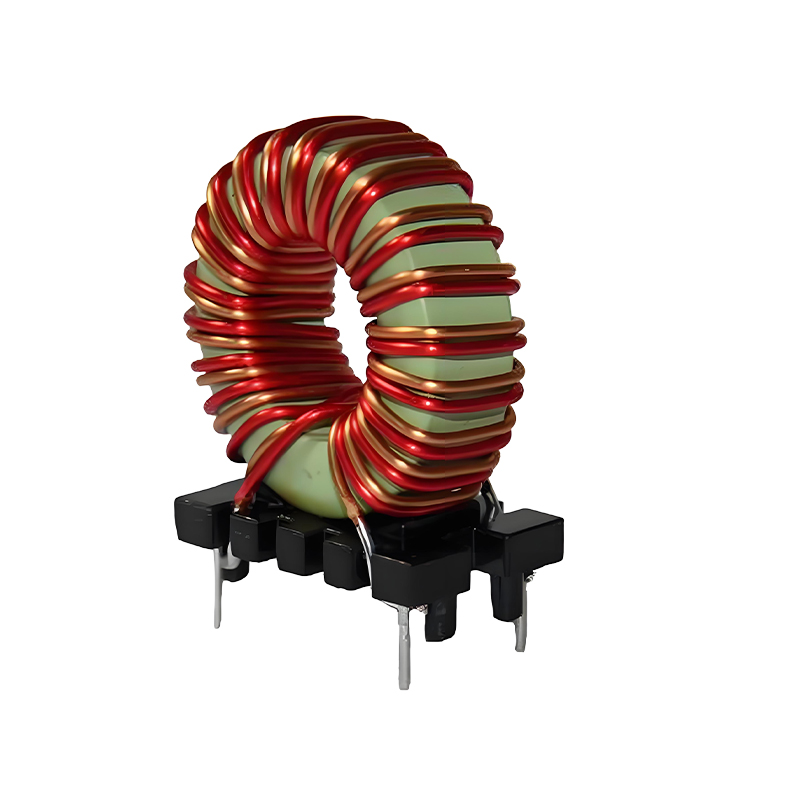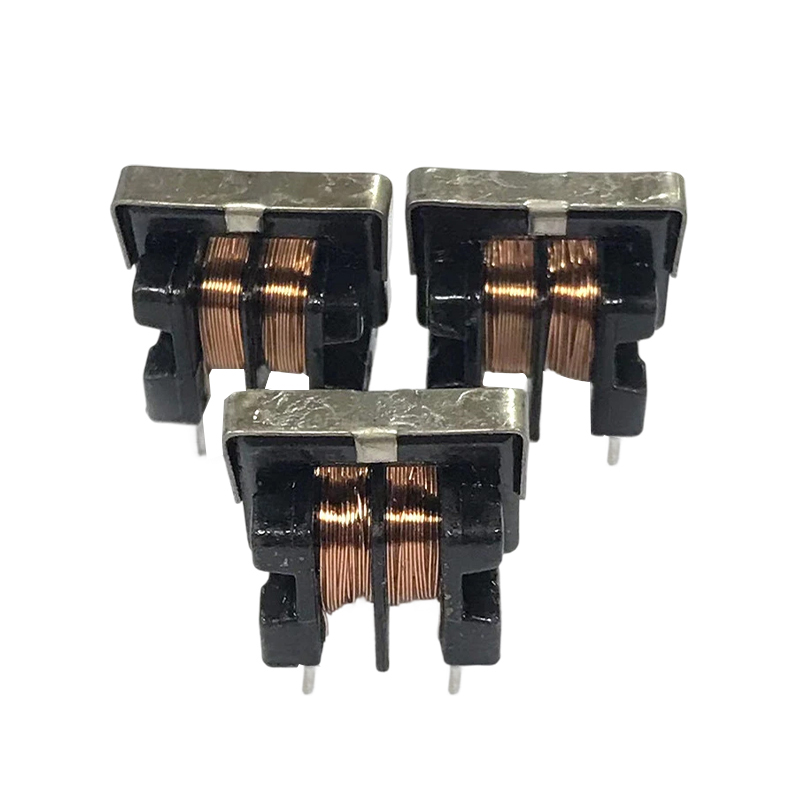

Common mode inductors, through their unique structural design and impedance matching mechanism, effectively suppress current imbalance in three-phase systems.
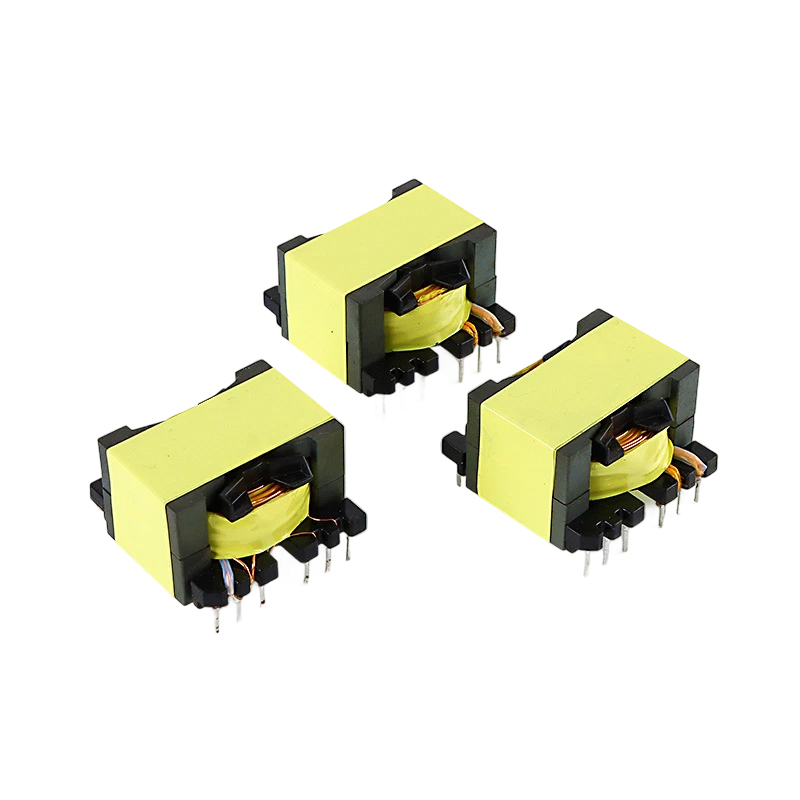
From a process design perspective, the presence of distributed capacitance places stringent requirements on the high-frequency transformer winding process.
At high frequencies, core losses and winding copper losses can cause a significant temperature rise in the inductor. The permeability of the core material decreases with increasing temperature, which in turn reduces inductance and suppression capability.
In today's era where electronic devices strive for both thinness and high performance, power systems face unprecedented challenges: outputting greater power while occupying less space.
With its superior insulation performance, strong anti-interference capabilities, and highly integrated structure, SMD transformers continuously provide safe, clean, and efficient power conversion support for modern electronic devices.
Eddy current losses in iron losses are proportional to the square of the frequency, while the degree to which copper losses are affected by frequency depends on the winding structure and the severity of the skin effect.